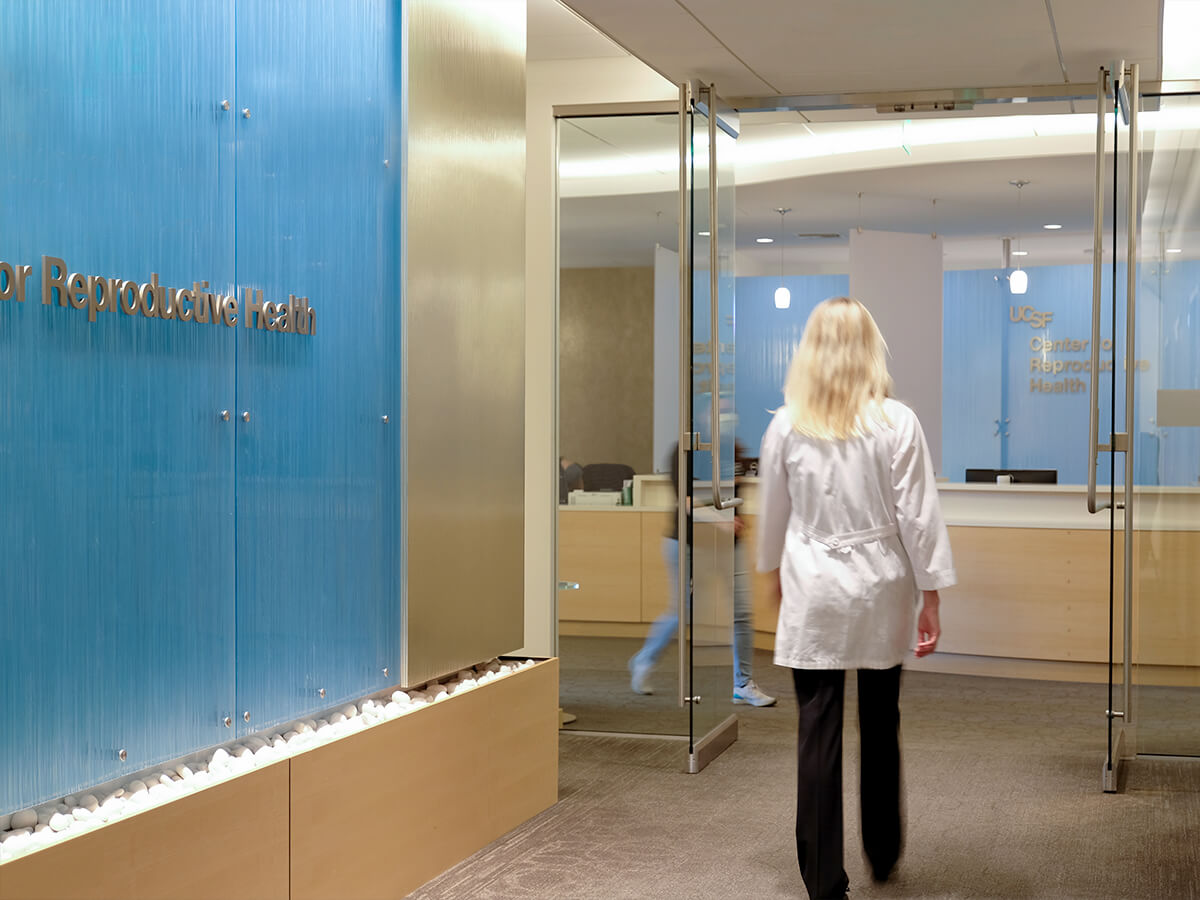
The UCSF Male Reproductive Health Center treats the entire spectrum of male infertility problems.
We specialize in microsurgical procedures and medical treatments for conditions including blockages in the male reproductive system, mechanical problems with ejaculation and low sperm production.
Other specialized treatments include electroejaculation and vasectomy reversal surgeries (microscopic vasovasostomy and epididymovasostomy) with sperm banking at surgery, as well as vasal, epididymal and testicular sperm retrieval.
In choosing a treatment plan, we consider the couple's long-term goals and financial constraints, as well as the results of both partners' medical evaluations. Anatomical problems can often be treated effectively with surgery. Medications can be used to treat specific conditions or to enhance sperm production. If neither surgical nor medical therapy is appropriate, assisted reproductive technologies are available.
Infertility is usually identified when pregnancy has not occurred after 12 months of regular, unprotected sex (or 6 months if the female partner is over age 35). In up to 50% of cases, the male partner either contributes to the infertility or is the sole cause.
Many people with male infertility have no noticeable symptoms and feel otherwise healthy. Because of this, infertility often cannot be identified without testing.
Certain medical or reproductive history factors may increase the likelihood of male infertility, including:
Prior testicular surgery, injury, or undescended testicles
Hormonal conditions or prior cancer treatment
Difficulty with erections, ejaculation or sexual function
The most reliable way to determine male fertility is through a clinical evaluation and testing.
Evaluation typically begins with a semen analysis, which measures sperm count, movement, shape, and volume. Because results can vary, more than one test may be recommended.
Depending on results and medical history, additional testing may include:
Blood tests to evaluate hormone levels – FSH/LH/E2; TSH/Prolactin (just as in the female partner) + Testosterone
Genetic testing, especially when sperm counts are very low (consistently < 5M/mL)
Scrotal ultrasound to assess testicular structure or blood flow
Urine testing to evaluate ejaculation patterns
Testicular biopsy, in select cases, to assess sperm production
Testing is individualized and guided by evidence-based clinical recommendations including history and physical examination.
Male infertility can occur when there are problems with sperm production, sperm quality, or sperm delivery. Often, more than one factor is involved.
Common causes include:
Hormonal imbalances, including low testosterone
Varicoceles, which are enlarged veins in the scrotum
Genetic conditions that affect sperm development
Infections or inflammation of the reproductive tract
Blockages or ejaculation issues
Lifestyle or environmental factors, such as smoking, excess alcohol use, recreational drugs, heat exposure, or certain medications
In some cases, no specific cause is found. This is known as unexplained (idiopathic) male infertility, and effective treatment options may still be available.
Treatment depends on the underlying cause, overall health, and family-building goals. Many individuals benefit from a combination of approaches.
Treatment options may include:
Medical treatment for hormonal conditions or infections
Lifestyle changes, when relevant, to support sperm health
Surgical procedures, such as varicocele repair or correction of blockages
Sperm retrieval techniques, when sperm are not present in the ejaculate
At UCSF Center for Reproductive Health, care plans are developed collaboratively with our urological partners and grounded in current medical evidence, with attention to both physical and emotional well-being.
Visit us in San Francisco
Academic standards. Pioneering research. Personalized care. Start your journey at the UCSF Center for Reproductive Health, located in Northern California's San Francisco Bay Area.
Academic standards. Pioneering research. Personalized care. Start your journey at the UCSF Center for Reproductive Health, located in Northern California's San Francisco Bay Area.